Seven grassroots nature projects Ma Earth and One Earth are helping grow
- Nature Conservation
- Ecosystem Restoration
- Wetland Restoration
- Reforestation
- Mangrove Restoration
- Sustainable Livelihoods
- Youth Leadership
- Philanthro-activism
- Biodiversity
- Nature/Climate Finance
- Community Action

Around the world, communities are restoring forests, protecting watersheds, rebuilding coastal ecosystems, and safeguarding biodiversity. Yet the people doing this work often face the same obstacle: funding. Less than 3% of global philanthropy reaches Earth care, despite the enormous role locally led conservation and restoration play in addressing the climate and biodiversity crises.
Ma Earth is working to change that by connecting grassroots nature projects directly with people and organizations ready to support them. One Earth is proud to partner with Ma Earth to elevate projects rooted in a shared belief: effective climate action begins with people who know their landscapes, understand their communities, and are already working to regenerate them.
Through Ma Earth’s third funding round, $500,000 in matching support is helping grassroots nature projects worldwide, including seven hosted in partnership with One Earth. Spanning forests, wetlands, peatlands, mangroves, and seagrass meadows, these are the projects and communities bringing that work to life.
1. Building a citizen science and restoration hub at Colombia’s Lake Tota
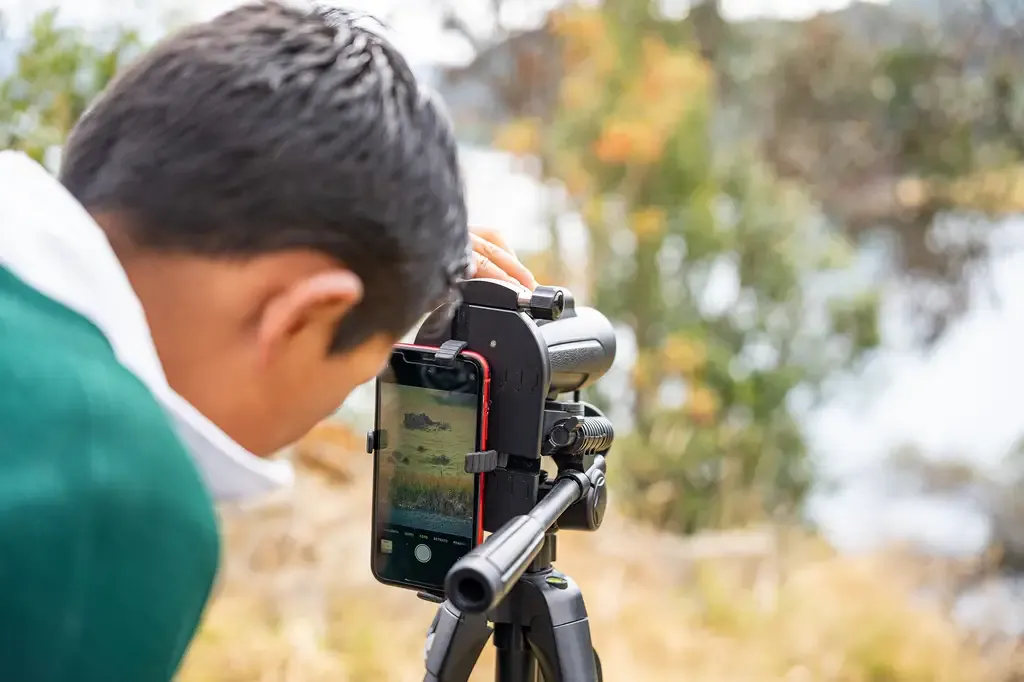
Citizen science in action at the Muyso school. Image credit: Ma Earth
High above Colombia’s Lake Tota, Fundación Montecito has spent two decades transforming a once-degraded 3.2-hectare (7.9-acre) hillside into Reserva Natural Xieti, meaning “the murmur of the water” in the Indigenous Muisca language.
Today, the reserve serves as both a biodiversity refuge and a living laboratory for the surrounding high-Andean wetland landscape. Fundación Montecito has planted more than 3,900 native trees and developed a citizen science field lab where rainfall, water quality, and biodiversity monitoring contribute to both research and community education.
Its next step is establishing the Muyso Wetland School, a permanent center where scientific research, environmental education, and local knowledge can come together. Funding will help expand the reserve’s native plant nursery, install an automated weather station and water-monitoring equipment, add camera traps for biodiversity research, and power the center with solar energy.
Fundación Montecito ultimately hopes to train 300 to 500 young people each year as Wetland and Climate Guardians while strengthening restoration throughout the Lake Tota basin.
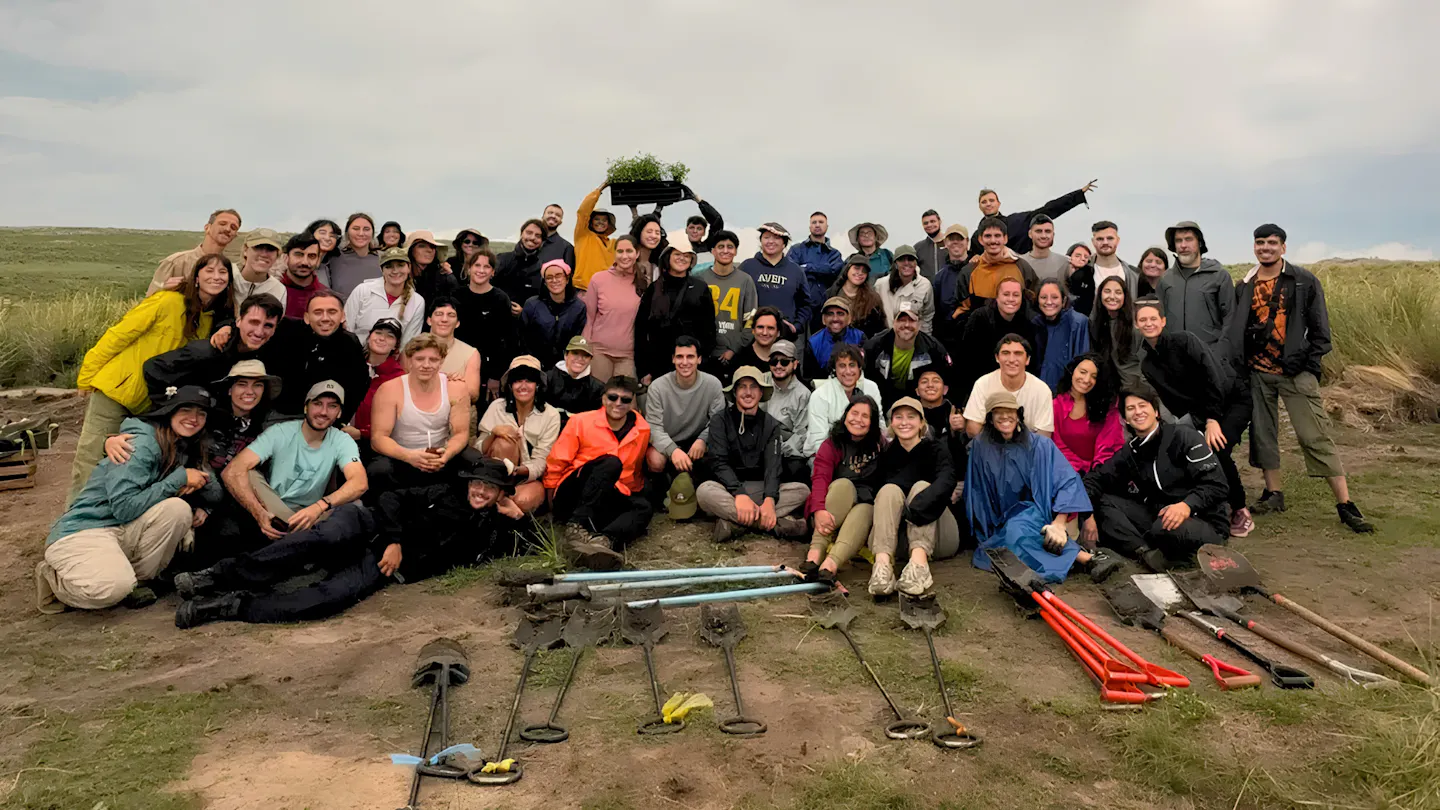
2. Restoring Argentina’s high-altitude tabaquillo forests
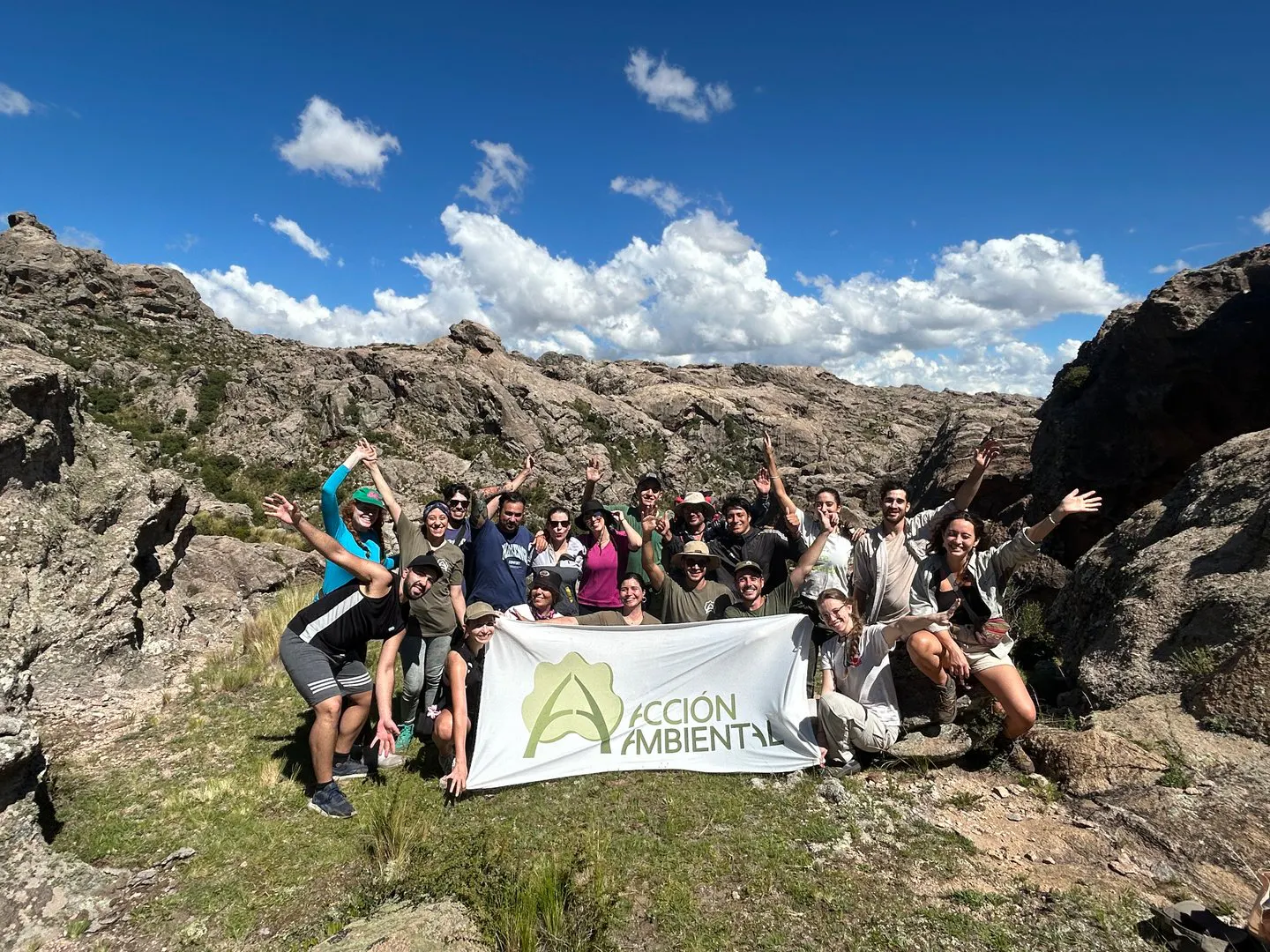
Restoring tabaquillo forests in Córdoba, Argentina. Image credit: Ma Earth
In Argentina’s Sierras de Córdoba, Acción Ambiental is working to restore forests of tabaquillo, or Polylepis australis, a native high-altitude tree that plays an important role in water regulation, soil conservation, and biodiversity.
Wildfires, habitat degradation, and other human pressures have severely reduced these forests, while the harsh mountain environment makes natural recovery slow.
Over seven years of restoration work, Acción Ambiental has refined its methods for propagating, planting, and monitoring native trees and reports a 90% survival rate for the tabaquillo trees it has planted and tracked.
The organization is now developing a specialized nursery capable of producing up to 20,000 native trees annually. It is also using GETAU, its environmental management and traceability platform, to georeference individual trees and track their survival, growth, and condition over time.
By increasing the availability of native seedlings and strengthening long-term monitoring, the project aims to restore degraded mountain forests while protecting headwaters, biodiversity, and water security across the region.
3. Recovering peatlands and mangroves in Indonesia’s Riau Province
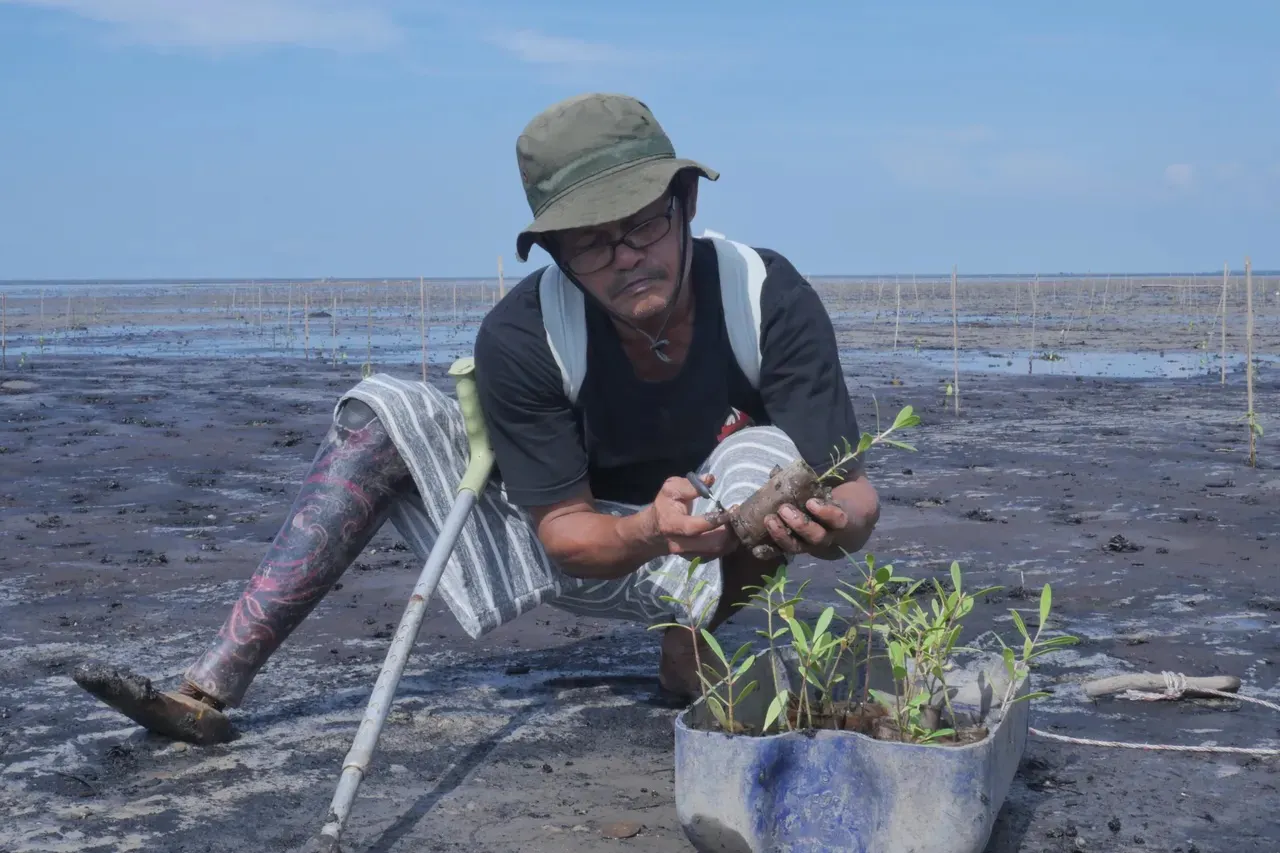
Mangrove and peatland recovery in Riau Province. Image credit: Ma Earth
Peatlands and mangroves are among the planet’s most important ecosystems for carbon storage, biodiversity, and climate resilience. In Indonesia’s Riau Province, they are also deeply connected to the daily lives and livelihoods of local communities.
Yayasan Gambut works alongside farmer groups, women’s groups, young people, universities, and village institutions to restore these landscapes while strengthening community resilience.
Its work combines canal blocking to rewet drained peatlands, mangrove planting, community nurseries, fire prevention, biodiversity monitoring, and agroforestry using crops such as Liberica coffee.
To date, the organization has planted more than 50,000 seedlings, constructed 11 canal blocks, established community-based fire monitoring systems, and trained 635 local participants.
Through continued restoration, Yayasan Gambut aims to reduce peatland fire risk, strengthen mangrove coastlines against erosion, and develop livelihoods that give communities an economic stake in protecting these ecosystems over the long term.
4. Bringing back Bagamoyo’s mangroves and seagrass meadows
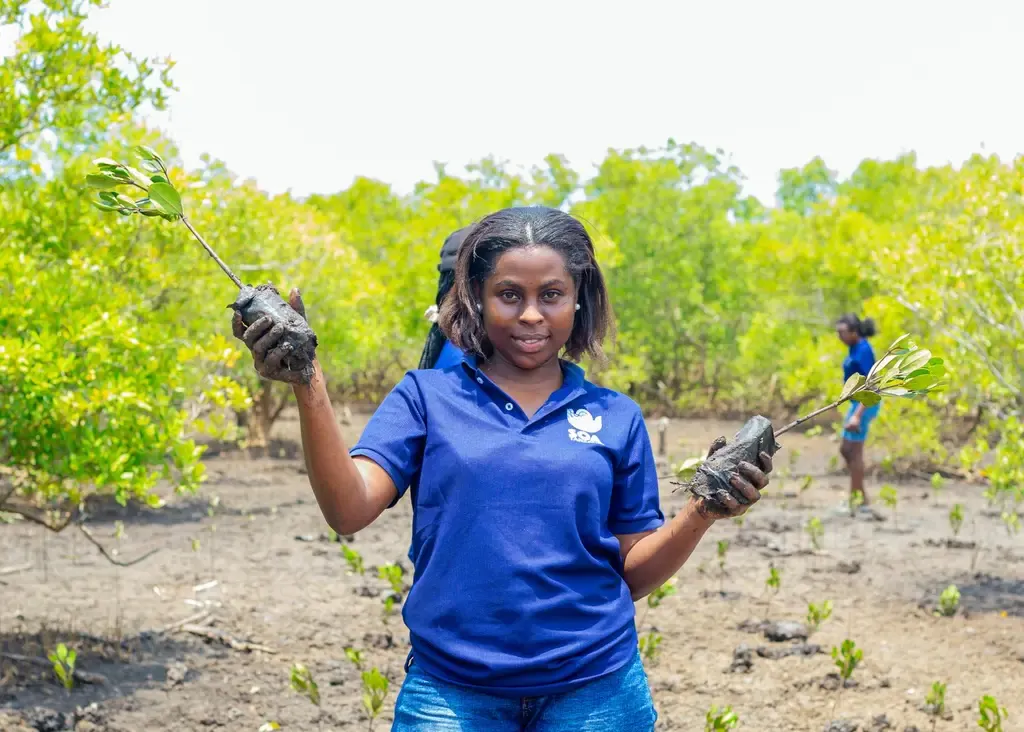
Restoring Bagamoyo's mangroves and seagrass meadows. Image credit: Ma Earth
Along Tanzania’s coast, mangrove forests and seagrass meadows support fisheries, store carbon, stabilize shorelines, and provide habitat for marine life. They also support millions of people whose livelihoods depend on healthy coastal ecosystems.
Sustainable Ocean Alliance Tanzania is working with youth, women, fishers, and local leaders to restore these blue carbon ecosystems while creating new opportunities for coastal communities.
Founded in 2020 by young ocean advocate Ailars David, the organization’s “Generation Restoration” movement combines habitat restoration with ocean literacy, youth leadership, community stewardship, and sustainable blue economy initiatives.
SOA Tanzania reports supporting the restoration and conservation of more than 5,782.5 hectares (14,288 acres) of mangrove ecosystems, restoring and supporting more than 100,700 mangroves, restoring seagrass habitat, and engaging more than 800 young people and coastal community members.
Funding will help strengthen restoration and biodiversity monitoring, expand seagrass recovery, support community nurseries, and create more sustainable blue economy opportunities alongside long-term marine stewardship.
5. Putting Indigenous youth voices at the center of forest protection in Indonesia
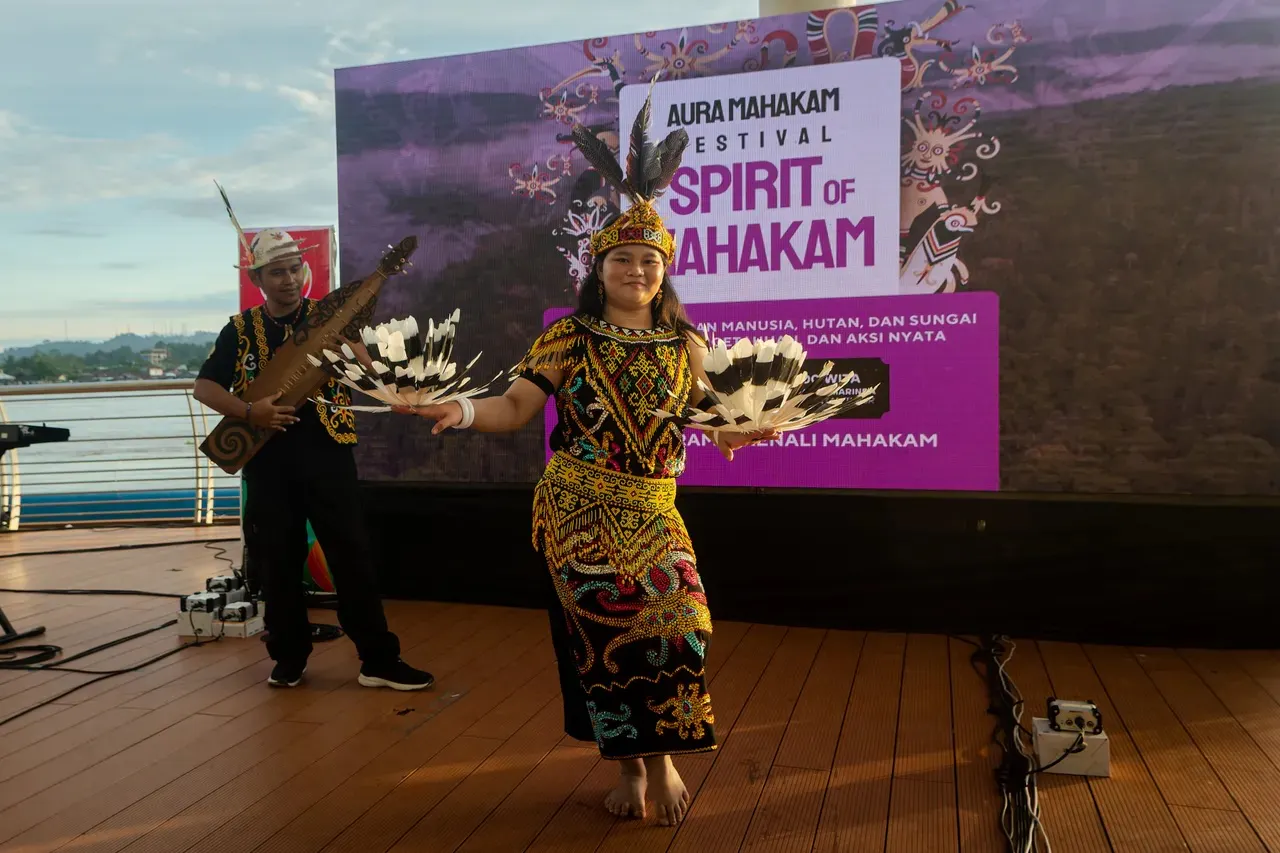
Uplifting Indigenous youth voices for forest protection. Image credit: Ma Earth
Protecting forests also means protecting the people, cultures, and knowledge systems that have sustained them for generations.
In Indonesia’s Mahakam River Basin, Hutan Itu Indonesia is working with the Mahakam Landscape Coalition to amplify Indigenous leadership in the protection of forests and hutan adat, or customary forests.
The 77,000-square-kilometer (29,730-square-mile) Mahakam landscape stretches across East Kalimantan, from intact upstream rainforest to areas increasingly affected by mining, logging, and agribusiness. Yet Indigenous communities defending these forests often remain absent from the public narratives surrounding conservation.
The Aura Mahakam campaign aims to change that.
Led by Hutan Itu Indonesia and seven local partners, the initiative will use music, art, food, cultural festivals, digital storytelling, and public installations to connect urban audiences with the people protecting the Mahakam landscape. It will also train 16 local youth communicators to tell stories from their own communities.
By bringing Indigenous knowledge, identity, and leadership into the national conversation, the coalition hopes to build broader public support for customary forest recognition and long-term forest protection.
6. Restoring Madagascar’s baobabs through women-led conservation
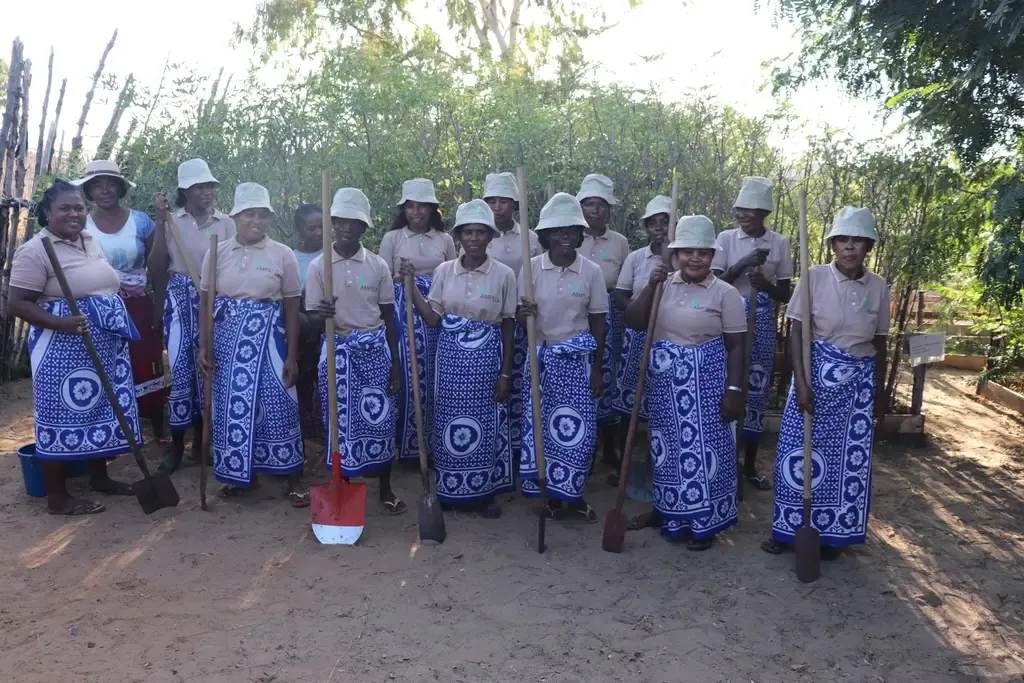
Terra Baobab is restoring Madagascar's baobabs through women entrepreneurs. Image credit: Ma Earth
Madagascar’s baobabs are among the island’s most recognizable species, but AMPELA sees their future as inseparable from another form of investment: supporting women as conservation leaders.
AMPELA, whose name means “women” in a southwestern Malagasy dialect and is also an acronym for Amplifying the Movement of Women-Powered Efforts to Protect the Environment through Leadership and Actions, works to increase women’s participation and leadership in environmental conservation.
Through its Terra Baobab project, the organization is supporting baobab restoration while helping women develop sustainable livelihoods connected to conservation.
Funding will support restoration as well as research into baobab-derived products that could help women build businesses and generate income linked to healthy local ecosystems.
The model places women not simply as participants in conservation, but as decision-makers, entrepreneurs, and leaders shaping how Madagascar’s biodiversity is protected for the future.
7. Growing native trees for Colombia’s Andean cloud forests
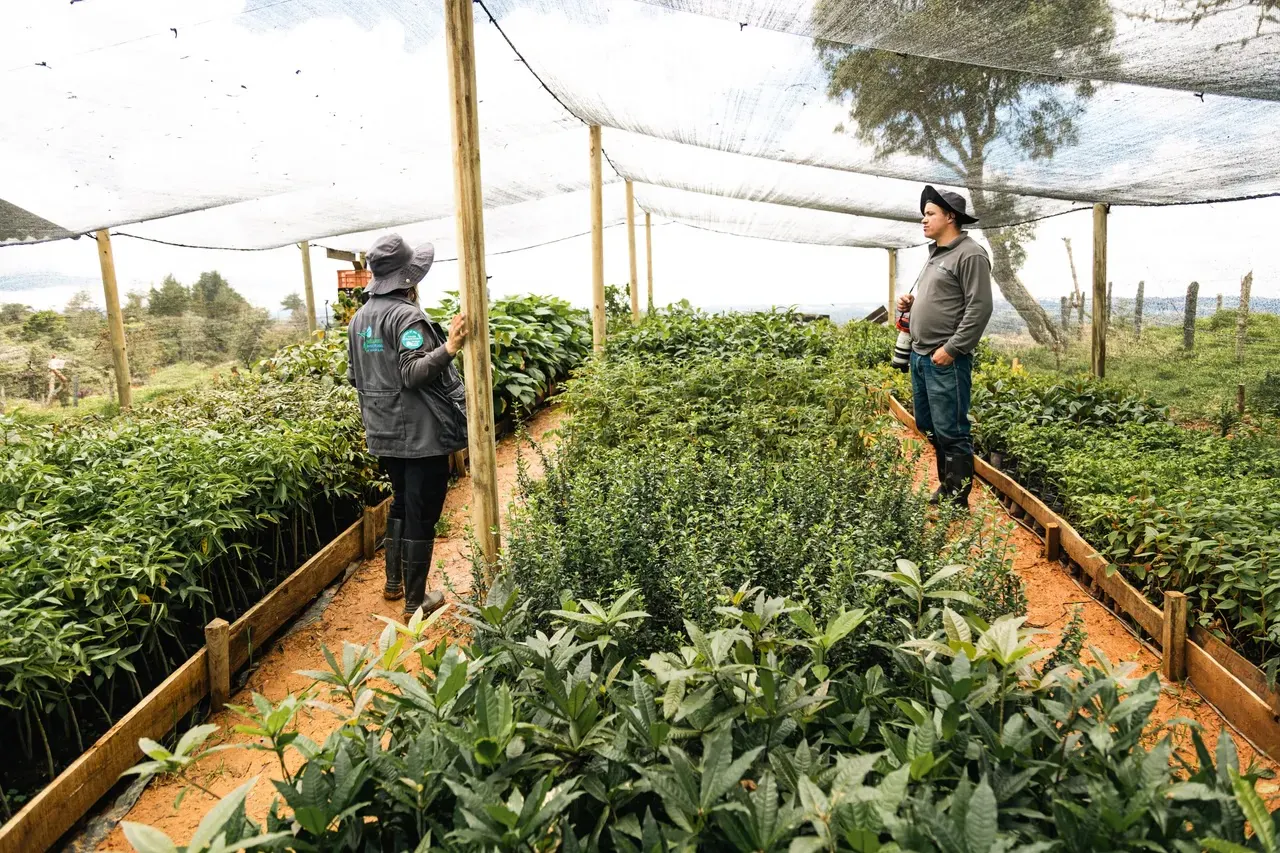
Propagation of native species for high-Andean forests. Image credit: Ma Earth
In northern Antioquia, Colombia, Fundación Guanacas Bosques de Niebla is protecting and restoring a landscape of cloud forests, high-Andean ecosystems, mountain vegetation, and important water sources.
What began with the conservation of a 120-hectare (297-acre) family property has grown into an effort protecting more than 800 hectares (1,977 acres) while strengthening biological corridors across the region.
The foundation is now expanding a nursery dedicated to native high-Andean species, including Colombian oak (Quercus humboldtii), Weinmannia tomentosa, and Magnolia yarumalensis. Some of these species are threatened or difficult to obtain through conventional nurseries.
Seeds will be collected within the reserve itself, helping maintain traceability and locally adapted plant material while using organic propagation methods.
Women forest guardians, rural youth, and farming families will participate in seed collection, ecological monitoring, and training. During the project’s first six months, the foundation plans to improve the nursery, collect seeds, establish germination protocols, and build local restoration capacity.
Over time, the initiative could expand to additional native species and lay the groundwork for a germplasm bank supporting restoration of degraded ecosystems throughout the region.
Funding the people already caring for the Earth
Communities around the world already hold much of the knowledge, experience, and commitment needed to protect and restore the ecosystems around them. What they too often lack is access to the resources that allow their work to continue and grow.
Through our partnership with Ma Earth, One Earth is helping bring greater visibility and support to these locally rooted solutions, connecting funding with the people already doing the work of regenerating our shared planet.

Subscribe to receive monthly updates on climate solutions, environmental heroes, and the profound beauty and wonder of our shared planet Earth.