
.jpg?w=400&auto=format)

Limiting Overshoot: A new UN climate report demands radical change
As the world approaches 1.5°C of warming, UNEP lays out how rapid emissions cuts, adaptation, and systemic change can still build a safer future.
One Earth provides tools and resources to help philanthropists, investors, policymakers, and everyday citizens create impact where it matters most.
Our Solutions Hub brings together the stories, science, and evidence behind the world’s most effective climate and biodiversity solutions. Explore the research, projects, and people restoring nature, transforming energy systems, and regenerating food and fiber production worldwide.
The Hub is organized around the One Earth Solutions Framework, which maps 75+ science-backed solutions across three pillars: Energy Transition, Nature Conservation, and Regenerative Agriculture.
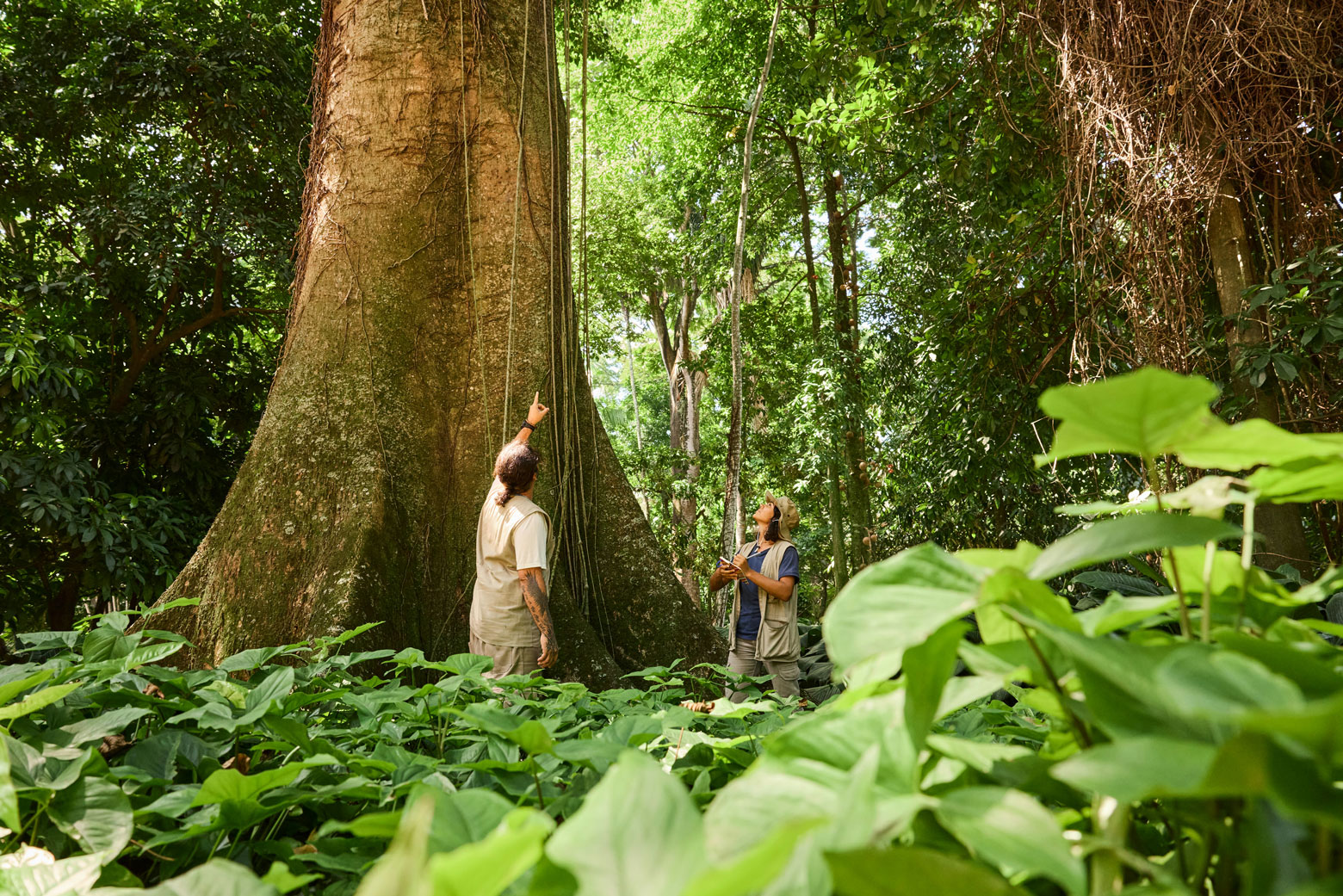
The three pillars reflect the key system changes we need to achieve collectively to create a vibrant and healthy future.
Within each of the three pillars, climate solutions are organized into four sub-pillars that reflect the sectors where meaningful change must happen at scale.

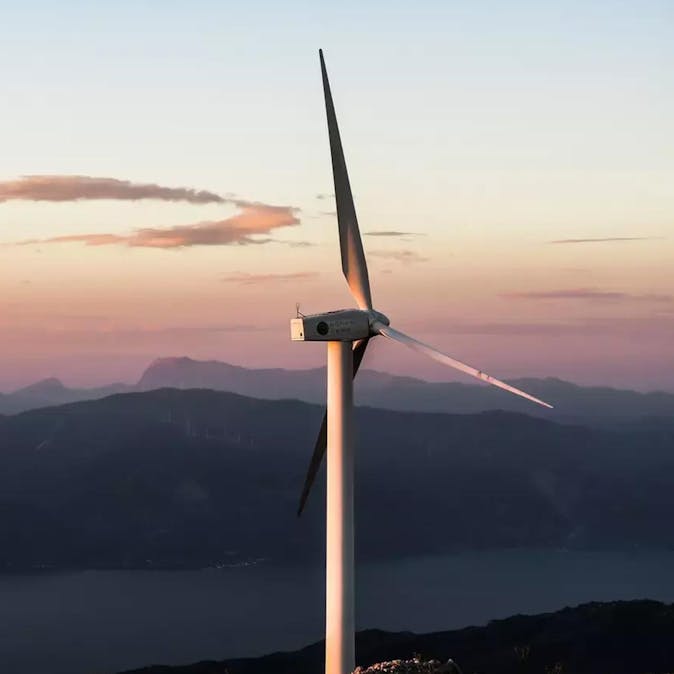
The first energy transition sub-pillar of renewable power refers to electricity generated from carbon-free or carbon neutral sources that are naturally replenishing and virtually inexhaustible or sustainable over the long term.

The second energy transition sub-pillar of renewable heat refers to heating water, buildings, and industrial processes using carbon-free or carbon neutral sources that are naturally replenishing and virtually inexhaustible or sustainable over the long term.
Examples of climate solutions in action across people, places, and species.

As the world approaches 1.5°C of warming, UNEP lays out how rapid emissions cuts, adaptation, and systemic change can still build a safer future.
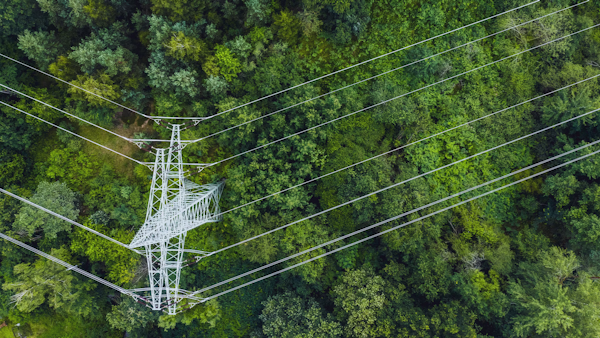
Transmission and Storage technologies reduce energy loss and make renewables reliable around the clock. From smart grids to sand batteries, these innovations are transforming how we move and store clean energy.
.jpeg?w=800&auto=format)
Unlike many high-ambition climate models, the One Earth “razor’s edge” scenario explicitly incorporates the rebound of fossil fuel emissions since 2020 (after the COVID-related dip) and uses a reduced carbon budget.
It avoids relying on large-scale speculative engineered carbon removal (e.g. massive BECCS/CCS), limiting removal to nature-based solutions under realistic constraints.
The model’s “warm-up” phase (2025–2030) depends on locking in the post-2024 emissions peak, scaling up renewables, retiring coal rapidly, and ensuring that all new power additions are renewable.

The long-term protection and Indigenous governance of ecosystems occurring within terrestrial boundaries across all biome types—tundra, boreal forests, temperate forests, tropical forests, scrublands & savannas, grasslands, deserts, wetlands, and freshwater bodies (lakes and rivers).

The long-term protection and sustainable management of marine areas and species—from coastal ecosystems and coral reefs to deep ocean habitats.
Examples of climate solutions in action across people, places, and species.
.png?w=600&auto=format)
Venture Capital Climate Tech investor and One Earth board member Tenzin Seldon is directing capital toward scalable climate solutions while advancing Gross Domestic Regeneration, a new framework for measuring what economies restore.
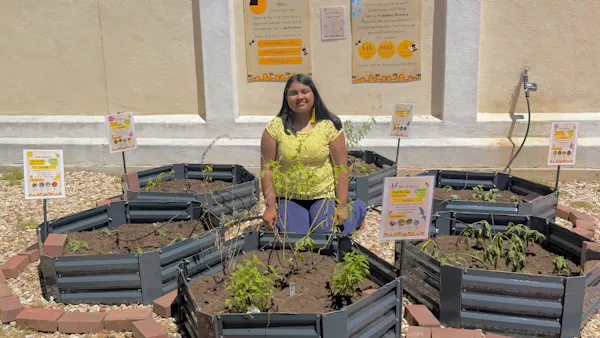
Learn how Bee A Savior built their first bee-friendly garden, and how you can grow change in your own backyard.

The Bioregions framework maps the planet into 185 ecological regions across 14 realms, enabling place-based climate and conservation planning.
AskNature offers over 1,700 examples of how organisms solve challenges, providing inspiration for sustainable human design.
Combining bioregional mapping with nature’s strategies helps communities create locally adapted and resilient climate solutions.
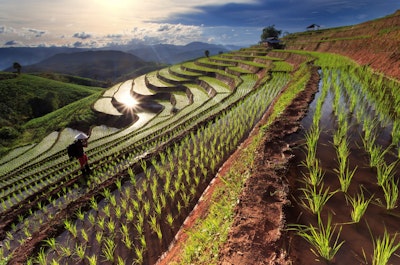
A wide variety of farm management techniques that increase crop resilience and the net carbon stored in farmland, decrease food-miles and inputs while increasing yields, and eliminate the emissions associated with fertilizer.
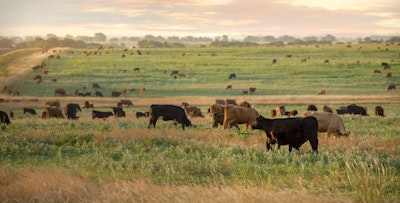
Shifting diets to decrease the strain on our rangelands as well as managing pastureland to decrease methane emissions and maximize carbon stored in the soil by eliminating deforestation and increasing ecosystem health.
Examples of climate solutions in action across people, places, and species.
As the world approaches 1.5°C of warming, UNEP lays out how rapid emissions cuts, adaptation, and systemic change can still build a safer future.
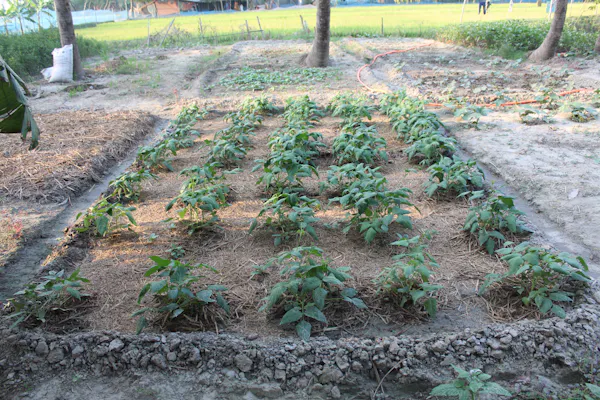
Learn how agroecology is helping communities adapt to increasing salinity across the Sundarbans.
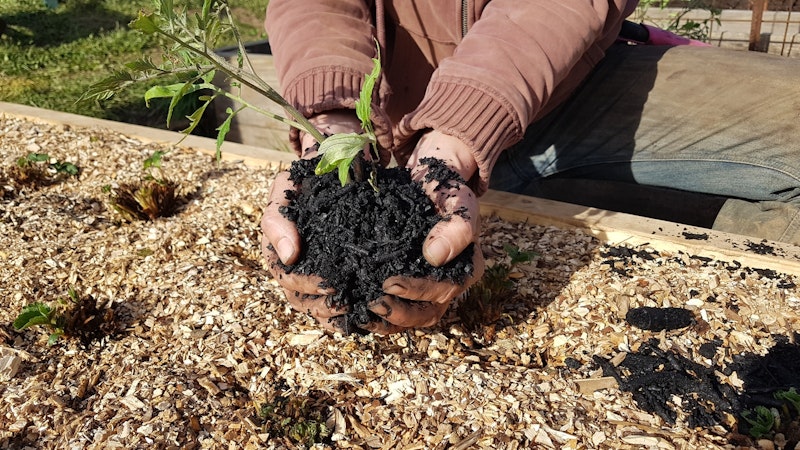
Amazonian Terra Preta soils, enriched with charcoal and organic waste, remain fertile for centuries and can contain up to 18 times more carbon than untreated soils.
A single gram of biochar can have an internal surface area of about 9,000 ft², providing vast space for microbes, nutrients, and water storage.
Biochar must be “charged” with compost, manure, or other organic matter before use to prevent it from temporarily depleting soil nutrients.
.jpg)
.jpg)